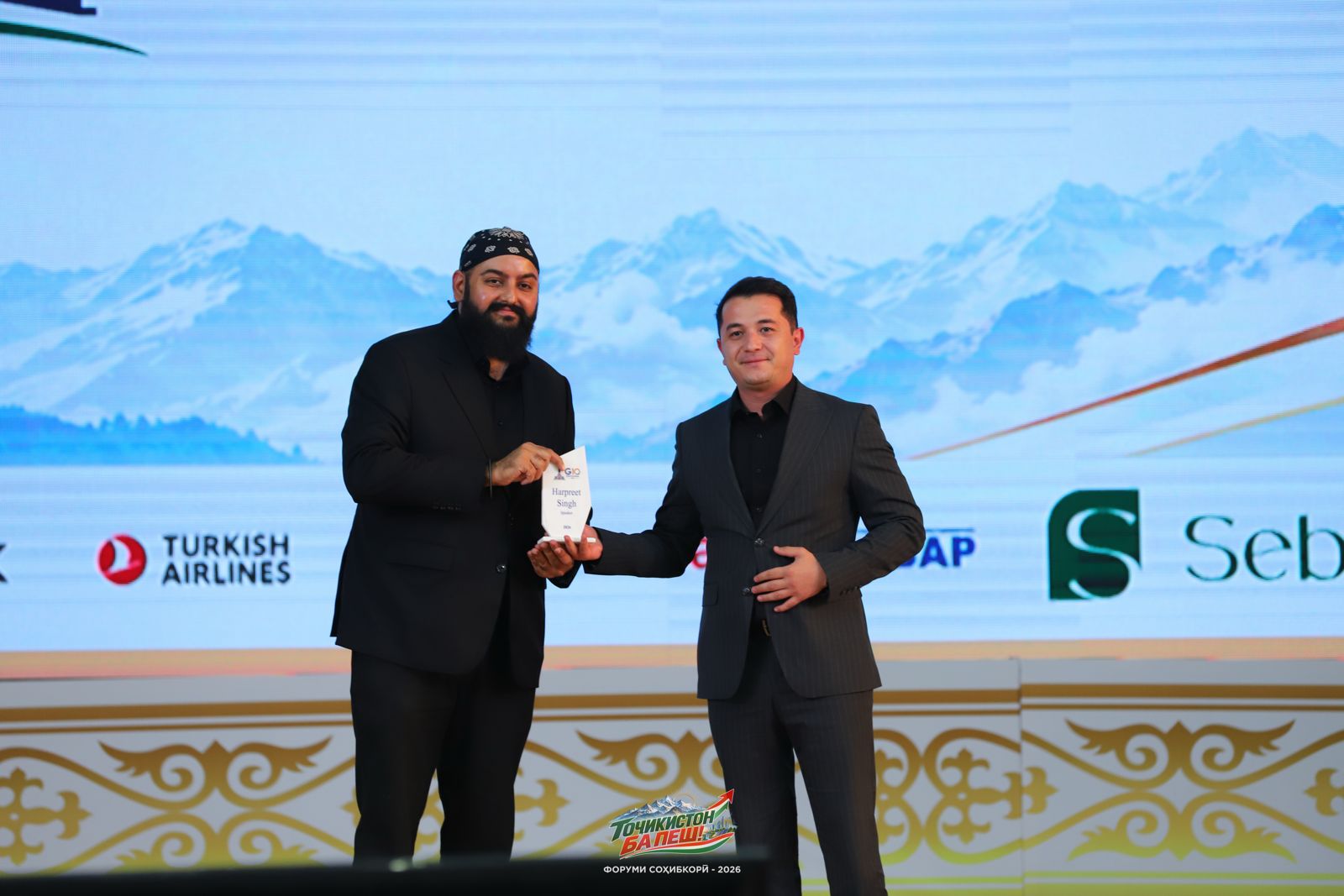
Every great flow passes through a heart. On 15 October 2026, at the G10 Insights Forum in Dushanbe, TEIZA's CEO and Co-Founder, Harpreet Singh Maan, used that image to open his presentation, "Digital Tajikistan: the heart of Central Asia's digital economy". Tajikistan is small, he suggested, but it is connected to everyone: a vital point where water, resources and now data and capital move through.
The mountains are not the limit
About 93% of Tajikistan is covered by mountains. That geography has made roads and rail hard to build, and it has long shaped how people think about the country's reach. Digital infrastructure follows different rules. Data does not need a pass or a tunnel, and a country that builds the right digital foundations can reach its neighbours and the wider world without waiting for the terrain to change.
A country with real potential
Tajikistan starts from unusual strengths. Nearly half of its population is under 25, a young generation that will run the next stage of the economy. Central Asia's two principal rivers, the Amu Darya and the Syr Darya, both flow through the country, and hydropower supplies the vast majority of its electricity, with potential among the largest in the world. It borders Afghanistan, China, Kyrgyzstan and Uzbekistan, and it holds deposits of gold, silver, zinc, lead, antimony and tungsten, among others.
The policy direction is already set. Tajikistan adopted its first e-commerce law in December 2022 and has declared 2025 to 2030 the Years of Development of the Digital Economy and Innovation. A Medium-Term Program for the Development of the Digital Economy covers 2026 to 2030. In May 2026 a Council for the Development of the Digital Economy was created under the President, and it held its first meeting on 19 August. National e-government platforms and a unified national QR payment standard are already in place. What is still missing, in TEIZA's view, is a trusted digital foundation that brings these pieces together.
Trust is the asset
The world is realigning, and capital is looking for new places to go. Where it moves, and how it wants to be treated, is changing. Small countries have won capital before by being trusted, in two different ways.
Switzerland, small, mountainous and landlocked, became a trusted centre of global finance. According to the Swiss Bankers Association, its financial sector contributes about CHF 74 billion, or 9% of GDP, and its banks manage over 20% of the world's cross-border privately held assets.
Estonia, small and digital first, became a trusted digital state. It has run secure data exchange across government since 2001, issued a national digital ID since 2002, and in 2014 became the first country to offer e-Residency. In 2025 its e-Residency programme reported nearly EUR 125 million in direct revenue to the state, against EUR 10 million in programme cost, and e-residents founded 5,556 companies. Part of that year's jump reflected dividends brought forward ahead of a tax change, and both examples are whole systems built over many years, not quick wins.
“Tajikistan can combine both lessons: trusted money and a trusted digital state, with blockchain and AI built in from the start.”
A digital foundation the country owns
Every country has roads, power grids and water systems. A digital economy needs its digital version. TEIZA calls what it is building intelligent trust infrastructure: digital public infrastructure powered by blockchain and AI, with trust, automation and compliance built in from the start.
TEIZA focuses on the soft layer of infrastructure, policy, software, blockchain and AI, and builds on top of the hard layer of telecoms, fibre, internet and data centres, which is best left to the specialists who do it. It complements that hard infrastructure rather than competing with it.
The model is simple, secure and sovereign. A country owns its network, private and sovereign, with its own laws built in and its data staying inside its borders. The network is anchored to Ethereum for security. A shared public layer, like a public road, lets the country trade, pay and invest across borders when it chooses, with bridges to the world's major blockchains. A door only the country opens. The principle is not tied to one place: it is simply how a nation keeps control of its own digital foundations.
The vision
Imagine Tajikistan in five to ten years: a trusted digital hub at the heart of Central Asia, with citizens enjoying simple, transparent digital services, businesses reaching across borders, and investors choosing Tajikistan because they trust the system.
With thanks
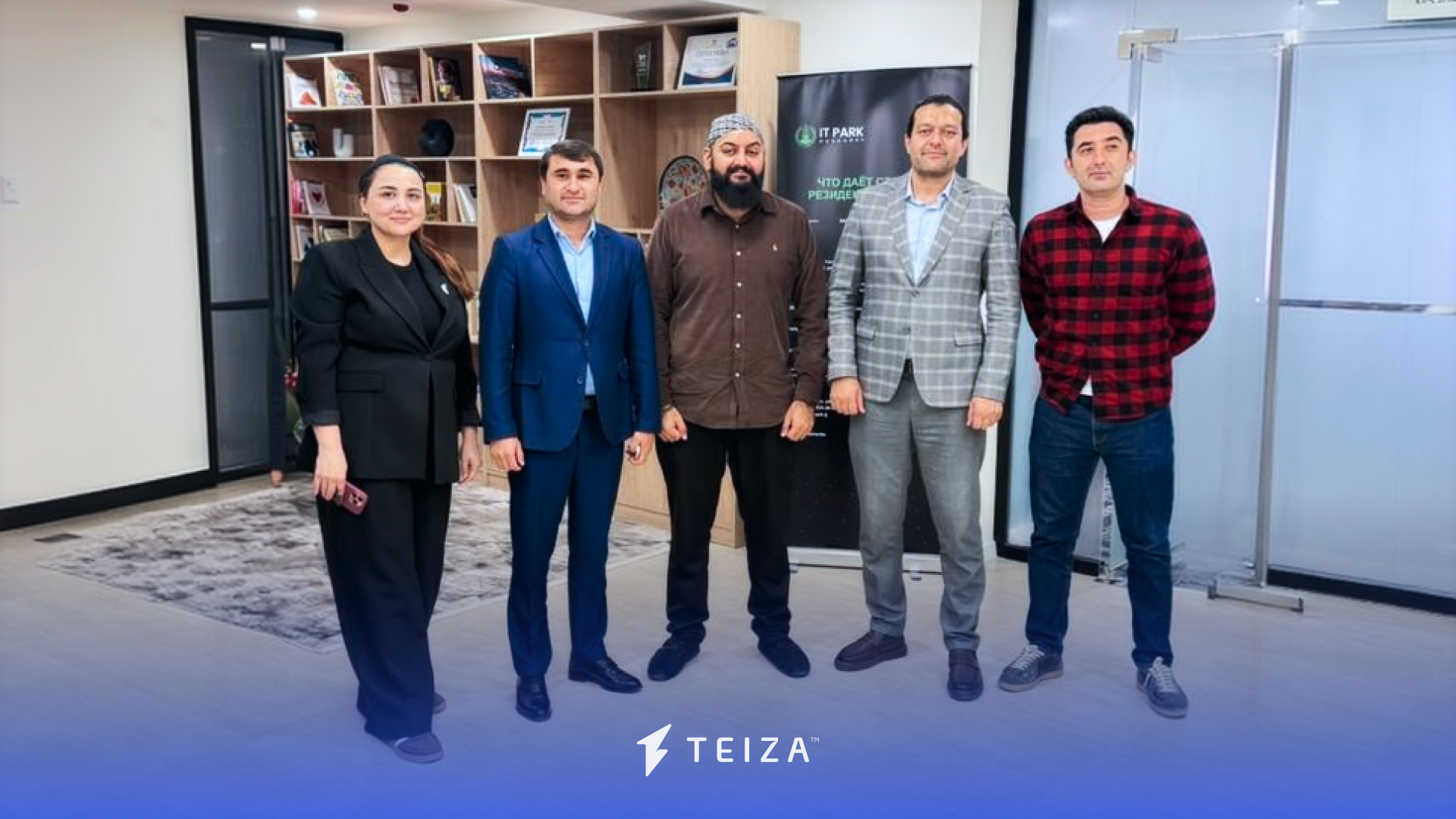
TEIZA is grateful to the organisers of the G10 Insights Forum for the invitation to speak and for bringing together voices from across the region to discuss Tajikistan's digital future. We also thank everyone we met in Dushanbe for their openness and the thoughtful conversations.