 01
Network layer
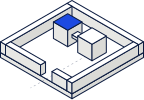
A private, permissioned network in data centres you approve. Each participating institution runs its own node; no external operator needs to be in the loop.

TEIZA SOVRA is the sovereign network protocol. It gives each country or consortium its own private, permissioned network: deployed in its jurisdiction, run by its own institutions, governed by its own rules, and anchored through TEIZA NEXA to Ethereum.
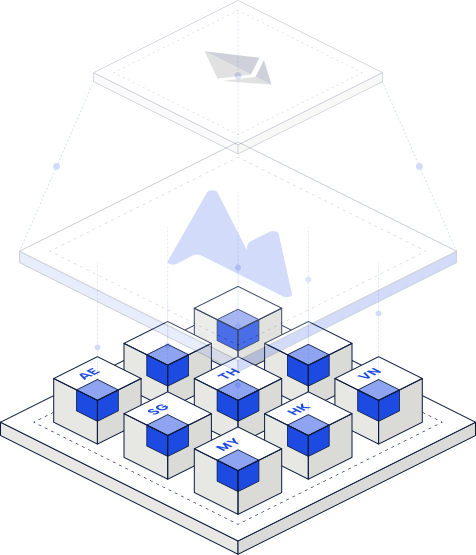
SOVRA keeps the ethos of decentralisation, shared control and a record no one party can rewrite, while engineering the network for verifiability, accountability, consistency, privacy and sovereignty.
01A private, permissioned network in data centres you approve. Each participating institution runs its own node; no external operator needs to be in the loop.
 02
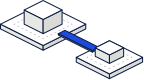
EVM compatible, so standard Solidity contracts and tooling work unchanged. Applications run as contracts on the network.
 03
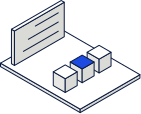
Need-to-know by design. Membership and access rights are set by the consortium, and regulators can be given scoped audit access.
 04
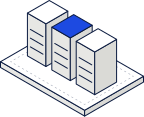
Transactions are compressed into batches and proven with zero-knowledge proofs. The proofs, not the data, are committed through NEXA to Ethereum.
Proof travels, data doesn't.
A sovereign network is infrastructure its participants own, so the model works differently from buying software. Your consortium decides how the network is paid for, who joins and how it is run.
The consortium decides the fee currency: a stablecoin, for example MYR or USD, or bridged TEIZA tokens. Stablecoin pricing keeps operating costs predictable for public-sector and regulated budgets.
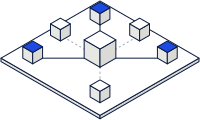
Running a node is how an institution joins. It carries governance rights and a share of the fees the network generates, so every member benefits as the network grows.
Governed by a digital consortium on two rails: a legal entity with a board of member representatives, and on-chain permissioning that enforces what members decide.
No single member, including the state or the operator, holds unilateral control. Members are not required to stake or earn yield to operate, which keeps the network suitable for Islamic finance.
Consensus, block production and governance votes; share of network fees where applicable
Queries the data the member is entitled to, without validating
Full history for analytics and compliance reporting, within access rights
Scoped read access for regulators or Shariah boards; no block production
A SOVRA network is fully functional on its own. Connectivity to other networks is a capability its owners switch on when it suits them.
The shortest route to a live network, with shared costs and established governance.
See the partnersA dedicated network for you and your industry peers, on terms you set together.
Talk to usA single institution's own network, with full control over membership and rules.
Talk to us